All posts — Page 3

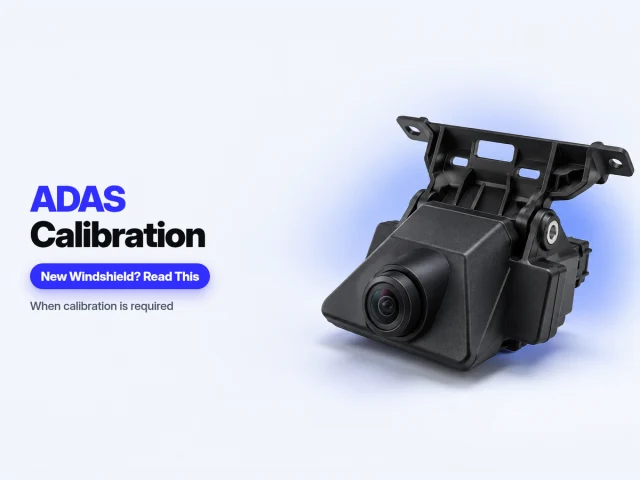
ADAS Calibration After a Windshield or Repair

ADAS calibration aligns cameras, radar, and related sensors after glass, bumper, or certain module work. This guide covers when calibration is required, static vs dynamic in plain language, symptoms of a missed calibration, why a code clear is not a calibration, and what we need (VIN, which work was done, which warnings).
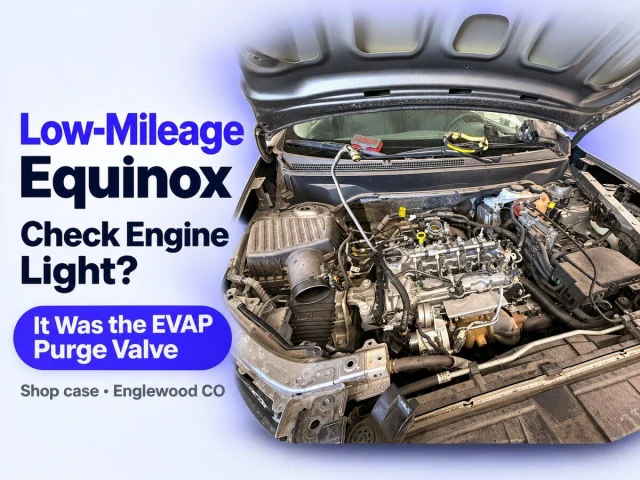
Chevy Equinox 2024 EVAP Purge Valve Replacement

A low-mileage 2024 Chevy Equinox came in for EVAP valve work. On this platform we commonly see stuck-open purge (P0496 family) and vent faults (P0446/P0449); when both fail testing, both are replaced. Explains purge vs vent, why mileage does not protect EVAP solenoids, and how we test before parts.

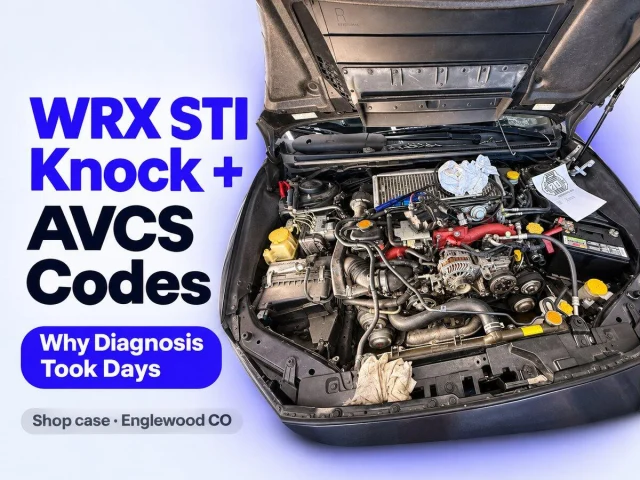
Subaru WRX STI 2016: AVCS Codes & Knock Diagnosis

A 2016 Subaru WRX STI arrived with idle knock, AVCS/VVT sync faults, a failed Colorado emissions test, and CEL plus charging and EPS lights. Multi-day diagnosis on this kind of job typically follows the P0011/P0021 AVCS oil-control path (OCV/screens) rather than a parts-store guess.

Reduced Engine Power or Limp Mode: What It Means

Reduced engine power and limp mode are protective strategies, not a single failed part. This guide covers what drivers feel, common trigger families, the electrical angle (voltage, grounds, module communication), why disconnecting the battery is a bad fix, and how diagnosis starts with codes and live data.

P0455 EVAP Large Leak: Gas Cap or Something Else?

P0455 means the ECM detected a large evaporative-emissions (EVAP) leak. This guide covers what the code means, how EVAP works in one paragraph, gas-cap myths vs reality, other large-leak causes, how P0455 compares to P0456 and P0442, and how EVAP is tested without unsafe DIY pressure tricks.

TPMS Light Flashing or On: Reset or Program?

A TPMS light can mean low tire pressure or a system fault. This guide explains steady vs flashing TPMS lights, when a reset or relearn is enough, when a sensor must be programmed, why DIY button tricks often fail on modern cars, and what we check with tool-supported procedures by VIN.

P0300 Random Misfire: What the Code Means

P0300 means the ECM detected a random or multiple-cylinder misfire. This guide covers symptoms, why a flashing check engine light often travels with it, electrical vs fuel/mechanical cause families, how misfire diagnosis is done, and why parts guessing fails.

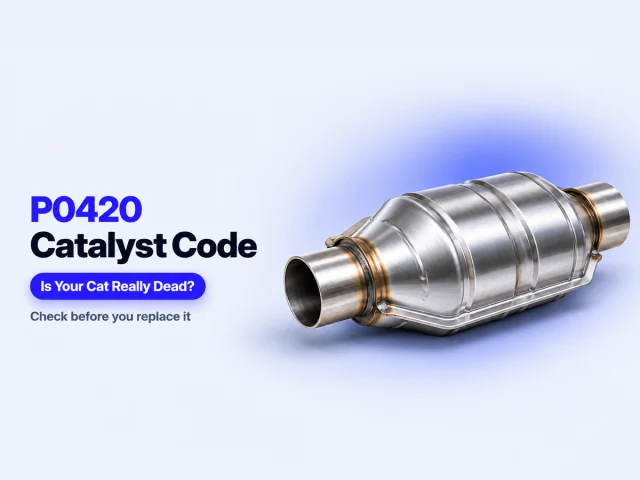
P0420 Code: Catalyst Efficiency Below Threshold

P0420 means the ECM sees catalyst efficiency below the expected threshold on one bank. This guide covers what the code means in plain language, how upstream and downstream O2 readings are compared, common causes, why a code clear or cleaner often fails, and what a real diagnostic checks before any parts are replaced.

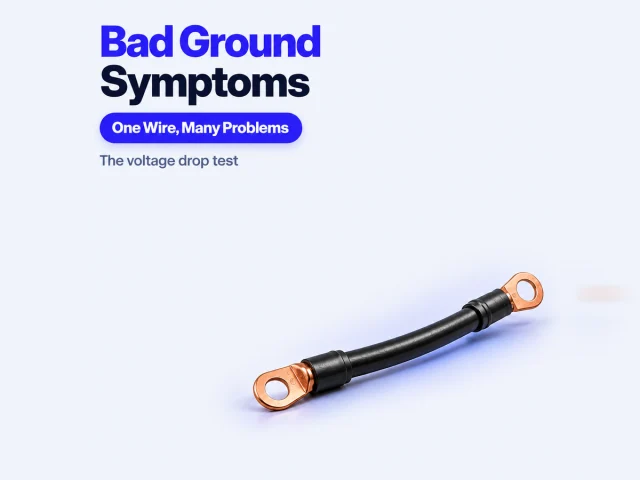
Bad Ground Symptoms: How a Voltage Drop Test Finds Them

A single bad ground can cause flickering lights, odd gauges, warning lights and random module faults. Here is what a ground does, the symptoms of a bad one, what a voltage drop test is and why it finds what a battery test misses, where these problems hide and how they are traced.

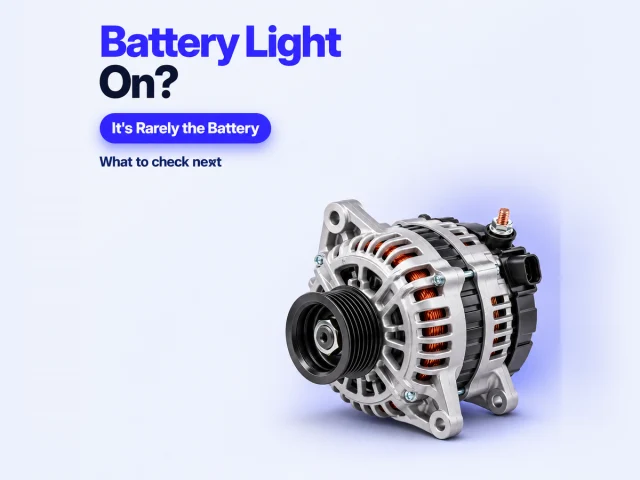
Battery Light On: What It Means and What to Do Next

The battery light on your dashboard warns about the charging system, not just the battery. Here is what it monitors, what it means when it comes on while driving, at startup or flickers, the common causes, why a new battery does not always fix it and how the fault is diagnosed.